Motivation

Andrew Kim
3 min read
Why tiny wins beat perfect plans
When a task feels impossible at 8:40 p.m., a ten-minute version can keep it alive. Here's how to choose a step small enough to start.

It's 8:40 p.m. The laptop is still closed. You planned to write the whole proposal after dinner, but the blank document now feels heavier than the work itself. Change the target. Write the first 100 words.
The 100-word target gives you a clear doorway into the job, and ten focused minutes may reveal the next useful step. You can stop there. You can also keep going if the work has started to move.
Make the first move physical
"Work on the proposal" hides at least three decisions: which file to open, where to begin, and how good the first draft needs to be. That is a lot at 8:40. "Open the draft and type three headings" tells your hands exactly what to do.
Try the same move with a run. Put your shoes beside the door before lunch, then walk for five minutes at 6 p.m. The route can grow once you're outside, but today's promise ends at the five-minute mark.
Give today's task a hard edge
"Fix the presentation" can swallow an evening. "Draft the opening slide before 7 p.m." has a finish line you can see, and the task ends when that single slide exists.
Give the task a number, an object, or a time limit. Keep it honest. If twenty minutes sounds heavy today, choose five minutes and decide again when the timer rings.
- "Exercise" becomes "walk outside for ten minutes."
- For bills, use "list the five fixed payments due this month."
- A messy kitchen starts with "clear and wipe the counter beside the sink."
Keep a visible receipt
One checkmark proves one thing: you finished the action you named. Seven checkmarks across seven days give you a record that memory can't blur after a rough afternoon. Teresa Amabile and Steven Kramer, who read the daily work diaries of knowledge workers for Harvard Business Review, concluded that nothing motivates the work more reliably than making progress on something that matters. A receipt is how you see that progress on an evening when it feels like nothing moved.
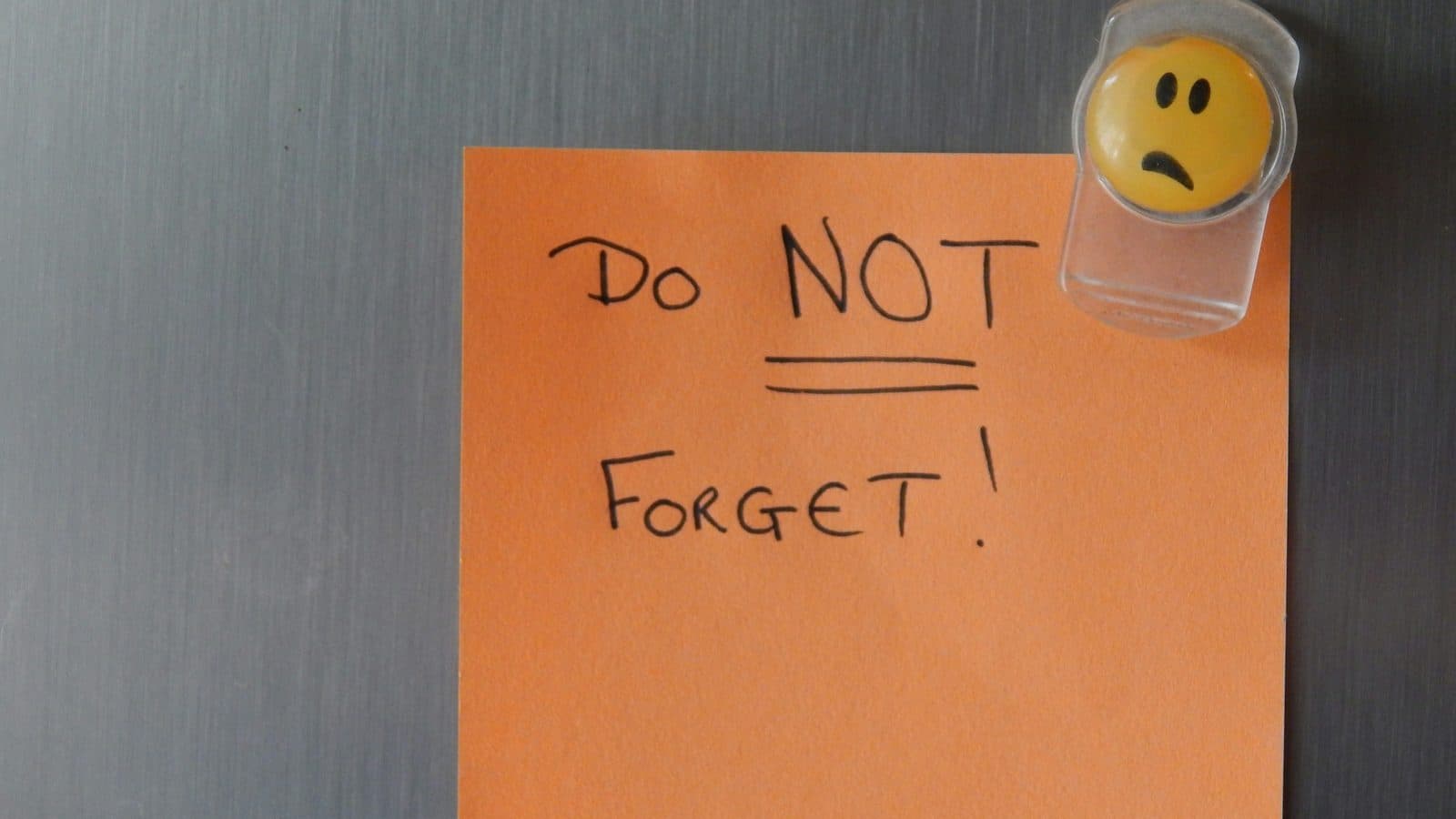
Use whatever receipt you'll actually look at, whether that's a paper calendar, a note on the fridge, or 10 XP in Kudos. Keep the score tied to the action. If the goal is a 300-page book, record the ten pages you read tonight, and let the finished work collect somewhere you will read it back on Friday.
Keep the big goal in view
A marathon still covers 42.2 kilometres. Today's part might be a 15-minute run around two blocks, scheduled between your last call and dinner. The full distance stays on the calendar while your next action stays within reach.
Pick tonight's smallest useful move. Name the number. Set the timer, finish the step, and leave tomorrow's work for tomorrow. Do the same thing tomorrow and you have the start of a streak, which brings its own problem.
Sources
- The Power of Small Wins. Harvard Business Review, May 2011.